
Information for expats living in the EU
The Gov.uk website offers assurances to to expats and those living and working abroad, that currently there is no change to the status of UK nationals living in EU countries but stresses the importance of ensuring they are correctly registered as a resident in the country where they are based.
The Brexit Withdrawal Agreement of January 2020 protects the rights of UK citizens, and clearly states that when member states require a UK national to apply for residency, the process will be “transparent, smooth and streamlined”.
For any updates around the ongoing relationship between the UK and the EU, it is advised that, if possible, expats should follow their local British Embassy on social media.
Are there potential residential complications for expats?
Reports released prior to the Withdrawal Agreement, however, demonstrated that in some cases, streamlined transparency might not always be the case. Despite the recent information suggesting otherwise, this lingering doubt has led to expats continuing to express concern around the processes, and that proof of residency and identity may not be as “smooth” as they would like.
This is compounded by the way the British press regularly published stories, prior to the agreement, highlighting the apprehension held by expats in the EU.
One such news report in the Express (1 Aug 2018), with the headline ‘We become ILLEGAL immigrants overnight!’ British expat fears Brexit backlash, detailed the fears of expats who had contacted Sky News following warnings, made by Jeremy Hunt, in the midst of Brexit negotiations. The UK may have agreed a deal with the EU, but not many expats are quick to forget the anxiety of the last few years.
Added to this, anecdotal evidence has already shown that the UK Burgundy Passport is being scrutinised more heavily when used as a form of ID, and in certain cases its use has already caused hold-ups and special checks regarding its validity as an acceptable proof of identity.
Blacktower’s advice to our clients is, first and foremost, to apply for residency as a matter of priority and then seek expat financial advice about whatever is worrying you; whether it’s expat pensions, QROPS, tax obligations and tax planning following Brexit or any other aspect of your expat wealth management.
We can help you understand the current climate and, where necessary, help you create your own personal financial plan for post-Brexit residency.
Disclaimer: This communication is not intended to constitute, and should not be construed as, investment advice, investment recommendations or investment research. You should seek advice form a professional adviser before embarking on any financial planning activity.
This communication is for informational purposes only and is not intended to constitute, and should not be construed as, investment advice, investment recommendations or investment research. You should seek advice from a professional adviser before embarking on any financial planning activity. Whilst every effort has been made to ensure the information contained in this communication is correct, we are not responsible for any errors or omissions.
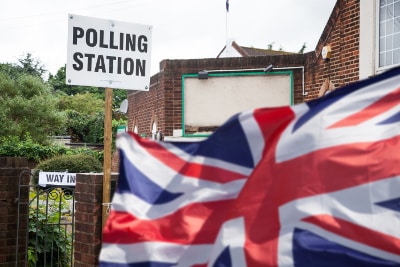 In true form, the ending of Theresa May’s last-minute snap election ended in a rather unexpected hung parliament, with the Conservatives planning to team up with Northern Ireland’s DUP party to form a majority government.
 Spanish newspaper ABC has reported that tax authorities in the country are cracking down on expats who fraudulently claim Gibraltar residency for the purposes of