
With the referendum due to be held on June 23, the expats’ appeal is being expedited and it is anticipated that a decision will be reached in the next few weeks. The government is wary of a successful appeal, with parliament recently warning that giving all expats the right to vote would be a “complex and daunting task”.
However, such a task would seem slight when compared to the business of the UK renegotiating its trade treaties should Brexit go ahead – something experts predict would take as long as a decade.
Yet, it is important not to forget the individual lives of those involved. For example, those with expat regular savings, pensions and wealth management plans would have to make considerable changes in order to adapt to a Brexit. In addition, there is the considerable issue of EU nationals currently living in the UK.
“It is estimated that 2 million Brits live in other EU countries…Take elderly people who have lived for 10 years in Spain. After five years, they acquired a right of permanent residence as citizens of the union and that includes access to the Spanish healthcare system,” Prof Derrick Wyatt QC, emeritus professor of law at Oxford University told a parliamentary committee.
“If we leave, what do we do about vested rights? Do we recognise rights to permanent residents that have arisen? What transitional rights do we give somebody who has been working for four years in the UK and has children at school and so forth?”
As the expats’ appeal goes ahead it is hoped that the issue can be sorted out quickly and British expats abroad are, at the very least, given a voice with which to show their feelings on Brexit.
This communication is for informational purposes only and is not intended to constitute, and should not be construed as, investment advice, investment recommendations or investment research. You should seek advice from a professional adviser before embarking on any financial planning activity. Whilst every effort has been made to ensure the information contained in this communication is correct, we are not responsible for any errors or omissions.
 As an
As an 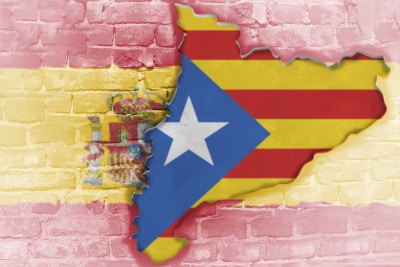 Catalonia’s push for independence after a referendum has plunged Spain into its worst political crisis since the attempted military coup in 1981.