
Where does this money actually go? Most of the funds are actually in the form of tax breaks. This is to make sure that when businesses are up and running again, they do not have to worry about paying their tax bills which are usually first on the list for companies to pay. This is helping to make sure that cash flows stay within the business to keep them going. If this is not enough then there are grants or low-cost loans available to business. Next is making sure that employers retain their staff, unemployment in itself is very costly as not only do benefits have to be paid but the Government loses income from taxes that employment gives them. Securing wages of staff is a measure that I cannot ever remember being utilised but that is what some governments are doing – as seen by the UK measures of protecting 80% of employee’s income.
There are also many other imaginative measures that countries are employing to keep the economies going. Australia are allowing people to access their pension funds early up to a maximum of $10,000 per person from their superannuations, USA taking equity stakes in some businesses and sending out cheques to low income families of up to $3,000. In the UK many measures including a 3-month mortgage holiday. Governments are having to be very creative to ensure the economy keeps running.
It might sound like a lot of cash is being pumped into the system, but it is vital as the consequences could be much more serious. Keeping money in the pockets of people keeps the world going. The ability to keep business going by allowing spending to continue makes sure that businesses and farming continues. It is unlikely a business would reopen once closed. Also, the morale of the population is critical. What all governments are desperate to avoid is a depression. Some might say a recession is inevitable, but it is usually over a short time period, but a depression would last years and might see a countries economic standing in the world disintegrate.
The markets have had huge losses posted over the recent weeks. As this is an unprecedented situation and the the future is somewhat unpredictable which is what the markets dislike and to some degree a worst-case scenario is included in market prices. Already there are signs that some of the government interventions are having a positive effect. There are some companies that will be lost and may go out of business, especially in the tourism/travel sector but the majority of other companies will benefit from their governments support.
Life may never be the same after this Crisis but companies and Governments that have put the correct measures in place to look after their people and business may flourish in the long term.
This communication is for informational purposes only and is not intended to constitute, and should not be construed as, investment advice, investment recommendations or investment research. You should seek advice from a professional adviser before embarking on any financial planning activity. Whilst every effort has been made to ensure the information contained in this communication is correct, we are not responsible for any errors or omissions.
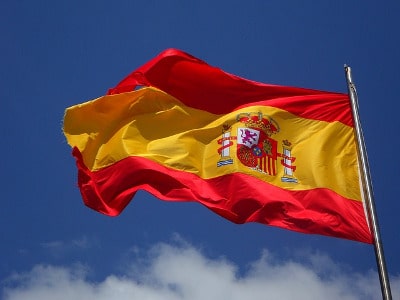 More than four in ten retired British expats choose to live in Spain. This could be for various reasons, including Spain’s financial opportunities, family tradition, historical ties between the two countries, and, of course, the Spanish culture and climate.
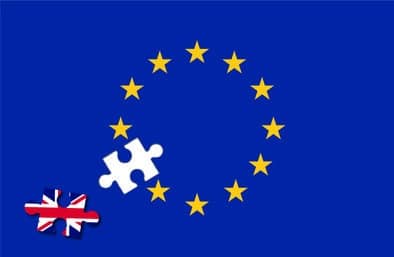 Much has happened since I last put pen to paper in the immediate aftermath of the referendum result and I thought it sensible to comment on some of the issues which are emerging from the ‘swirling fog’ that we experiencing. July 24th 2016, reminded me of September 12th 2001 in New York, with people walking around in shock, confused at the attack on the political and economic system. To be angry at the shock of the unexpected result and how that might affect everyone’s life is a natural and rational response, however much it might seem otherwise. Last week I wrote that the result was not a disaster and the financial system was capable of absorbing this shock, in short, my view has not changed.