
Do not Close UK Bank Accounts.
You might have several accounts and the temptation is to start afresh in Spain and have everything located here. However, in the future you may need a UK bank account for a transaction or transfer. You may also go back to the UK for visits so having money in a UK account is sensible and will avoid currency transfer costs. Remember: If you try to open a UK account once you are living in Spain, you will find it almost impossible due to the Money Laundering and ID verification procedures. There is no rule that says you have to close UK accounts, so you can inform your bank of your new Spanish address and keep the account open. You should avoid withdrawing cash from UK accounts machines in Spain as this can be very expensive. If you have to do this, make sure you draw out without a conversion to Sterling being made by the Spanish bank as this is also very costly.
Open Bank Accounts in Spain individually.
Married couples will often want a joint account, as they do in the UK, for ease. In Spain what tends to happen is the male will be the main account holder. This makes it difficult to use the account for ID purposes for both parties. When a partner dies that account will be frozen and the survivor will not be able to draw anything out of the account until all the paperwork is completed for the deceased, which can take months and cause financial hardship and even leave bills and direct debits unpaid. This can lead utility companies such as water and electricity to stop providing their service.
Check your pension options before you move.
This is an area that, if advice is not taken, the impact could lead to you being tens of thousands worse off. If you built up pension funds whilst in the UK, either through an employer or set up individually, there will
be certain tax advantages. One of which is you are allowed to withdraw 25% of the fund tax free. If you move to Spain and spend 183 days between January and December in one year here, the Spanish authorities will regard you as resident. Tax free cash from your pension is not recognised in Spain and is classed as earned income and there could be an unexpectedly large tax demand from the Hacienda dropping through your letterbox. Seeking professional advice about pension options will be of benefit to you.
Do not rush into any investment decisions before you move.
Getting things sorted before you move is tempting, as you are probably trying to get your house in order financially, but this can be dangerous and have a serious impact. Taking advantage of things like ISA allowances or taking out other tax efficient investments in the UK might seem like a good idea – but when you are resident in Spain all these tax advantages can disappear as they are not recognised here. Capital gains, income, savings and inheritance ae all taxed differently to the UK and whilst there are double taxation agreements in place these will not stop you from having to pay additional tax that could be due. Also making a Will before you move might seem like a good idea but when you are in Spain it is better to have a local Will in place as well to avoid any Spanish pitfalls with inheritance.
Take Financial Advice from an Adviser Based in Spain.
This is the most important tip as many of the areas on this list can be covered off. You might think it is OK to keep your financial adviser based in the UK, which you can, but they will have very little knowledge, if any, of the systems and rules that apply here in Spain for inheritance or income tax. I was a Financial Adviser in the UK for 24 years and thought I knew everything. When I came to Spain seven years ago it was like starting all over again and almost like a completely different job with regards to products and rules in Spain. Not taking financial advice in Spain can be very costly so make sure you have, at the very least, a sit-down overview to make sure you are not making any financially catastrophic mistakes.
In today’s financial climate it is essential you do everything you can to make sure your money is safe and secure, and what you want to transpire in the future has the best chance of happening.
This communication is for informational purposes only and is not intended to constitute, and should not be construed as, investment advice, investment recommendations or investment research. You should seek advice from a professional adviser before embarking on any financial planning activity. Whilst every effort has been made to ensure the information contained in this communication is correct, we are not responsible for any errors or omissions.
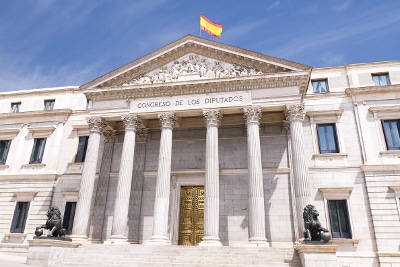 Last year produced a great deal of polarity and fragmentation in Spanish politics; with elections in April and November unable to resolve the uncertainty, and both polls ending with inconclusive results and no majority in government.