
A new year always brings a sense of renewal, and 2026 could stand out as a moment for those considering life after work. Recent tax reforms, shifting cost-of-living dynamics and lifestyle priorities are prompting thousands of UK retirees to reassess where they want to spend the next chapter of their lives. For many, Spain has long been on the radar; for others, remaining in the UK feels comfortable and familiar.
If you are starting the new year by asking where your retirement income might stretch further—where your wellbeing, lifestyle and long-term planning could align more naturally—this guide explores how Spain and the UK compare in 2026. With thoughtful preparation, many retirees find Spain offers compelling value, both financially and in terms of day-to-day quality of life. However, the UK retains advantages that may matter depending on your priorities.
1. Residency and the Practicalities of a New Beginning
Starting a fresh life abroad requires the right visa and a clear understanding of the administrative landscape.
Non-Lucrative Visa (NLV)
The most common residence permit for British retirees is Non-Lucrative Visa, with requirements including:
- Application fee: £516 per applicant
- Annual income requirement: €28,800, plus €7,200 per dependent
- A couple: €36,000 annual income
Applicants cannot work on this visa, so those wishing to pursue remote work might instead explore the Digital Nomad Visa, provided they have stable non-Spanish income of around €2,500 per month.
Beginning the year with a clear understanding of these requirements is crucial for anyone planning a relocation in 2026. Many retirees choose help with the process to manage timelines and documentation confidently.
2. Property Affordability: A 2026 Opportunity
Property prices continue to present one of the clearest distinctions between the UK and Spain. In 2026:
- Spanish homes often remain 40–50% cheaper per square metre
- Regional variation still applies, but overall affordability is stronger than in most UK markets
For retirees starting the new year by reviewing their assets, the prospect of selling a UK property and purchasing in Spain can unlock additional capital. This can support long-term retirement income, buffer inflation pressures or allow reinvestment into more flexible arrangements.
The timing of property transactions can affect capital gains exposure, so planning ahead of your move remains key.
3. Cost of Living: What 2026 Retirees Can Expect
Many retirees look to 2026 as a year to stabilise spending and protect retirement income from rising costs. Spain continues to offer significant advantages in this area.
Updated comparative data still shows:
- Rent in the UK around 42% higher
- Groceries approximately 27% more expensive
- Overall living costs around 37% higher including rent
For someone retiring in 2026, this disparity means that Spanish day-to-day living often feels more comfortable and less restrictive. Dining out, utilities, transport, leisure activities and household services generally offer better value.
This shift in purchasing power is frequently one of the strongest lifestyle motivators behind a move abroad.
4. Healthcare Access for UK Nationals in 2026
Healthcare planning is central to retirement, and 2026 is no exception. Spain’s public and private systems continue to be regarded highly for quality and affordability.
Access via the S1 Form
UK nationals drawing a state pension may apply for the S1 form, enabling access to Spanish public healthcare under the same terms as local residents who contribute through social security. Family members can often be added as dependants.
Alternatives
Where the S1 does not apply, retirees may:
- Join the Convenio Especial after 12 months of residency (typical cost €50–€150 per month)
- Choose private health insurance (€100–€250 per month depending on age and coverage)
For retirees making 2026 the year they evaluate long-term wellbeing, Spain’s healthcare system is often viewed as a valuable advantage.
5. Comparing Income Tax for 2026: UK vs Spain
A new year often brings updated tax rules, thresholds and opportunities. Spain and the UK approach taxation differently, and these differences matter greatly for retirees.
Spanish Income Tax Structure
Spain separates income into:
- General income (employment, pensions, rental income)
- Savings income (interest, dividends, capital gains)
General income tax varies by region in 2026, with examples including:
- Madrid: 18% lowest bracket, 47% highest
- Andalucía: 19% lowest, 47% highest
- Cataluña: 19% lowest, 50% highest
- Valencia: 18.5% lowest, 54% highest
Savings income tax remains consistent nationally between 19% and 30%.
Spain’s personal allowances remain lower than those in the UK, though they rise for those aged 65 and above.
Pension Tax Treatment
Under the UK–Spain Double Taxation Treaty:
- Most pensions are taxed only in the country of residence
- UK government service pensions remain taxable only in the UK
One of the most important retirement considerations for 2026 is the treatment of pension lump sums. Once Spanish-resident, withdrawals—including what was formerly tax-free in the UK—will be taxed in Spain.
ISAs and Investment Income
UK ISAs are not recognised as tax-exempt in Spain. Income and gains are treated as standard savings income. For retirees preparing early in 2026, reviewing investment wrappers ahead of a move can make a substantial difference.
6. Wealth Tax: How It Applies in 2026
Spain’s wealth tax remains relevant for higher-value estates, but regional differences are substantial.
Examples of thresholds per person:
- Madrid & Andalucía: €4 million
- Murcia: €3.7 million
- Balearics: €3 million
- Valencia: €1 million
- Cataluña: €500,000
All regions provide a €300,000 main home allowance per owner.
Even retirees with considerable wealth sometimes discover that regional rules, combined with asset restructuring, reduce their exposure significantly.
7. Inheritance Tax: A Pivotal 2026 Planning Factor
The beginning of 2026 is an important time for estate planning due to the UK’s reform in April 2025, which replaced the former domicile-based regime.
UK Inheritance Tax (Post-2025)
Under the residence-based system:
- After 10 years of non-UK residency, UK IHT no longer applies to worldwide assets
- Only UK-situated assets remain within scope
For retirees planning a permanent move to Spain in early 2026, this long-term shift may influence decisions about property ownership, asset location and multigenerational planning.
Spanish Succession Tax
Many Spanish regions now apply very favourable rules to inheritances between spouses, children and grandchildren. In some areas, the tax burden is close to zero for immediate family members.
For those thinking about legacy planning as part of a fresh start in 2026, the combined effects of UK and Spanish reforms can be highly attractive.
8. Planning Ahead
A new year often encourages people to take stock. For would-be retirees, 2026 offers the chance to review pensions, assets, tax exposure and lifestyle goals.
Important areas to revisit include:
- When Spanish residency will officially begin
- The structure of pensions and timing of withdrawals
- Whether to sell UK property before or after relocating
- How investment income will be taxed from 2026 onwards
- Which tax-efficient investment vehicles are recognised in Spain
- Long-term inheritance planning on both sides of the Channel
Those who plan early in the year typically experience a smoother transition and fewer unexpected tax consequences.
Conclusion: Is 2026 the Right Moment for Your Move?
For many retirees, 2026 could feel like the perfect turning point—a chance to reassess lifestyle priorities, stabilise long-term finances and align retirement plans with personal aspirations. Spain generally offers a compelling blend of lower living costs, attractive regional inheritance rules and strong lifestyle benefits. The UK continues to appeal for its familiar systems and straightforward tax environment.
The right choice depends entirely on your personal circumstances. With informed planning and timely advice, 2026 can be the year you set a clear direction for a fulfilling and financially confident retirement—whether that’s in Spain or the UK.
This communication is for informational purposes only and is not intended to constitute, and should not be construed as, investment advice, investment recommendations or investment research. You should seek advice from a professional adviser before embarking on any financial planning activity. Whilst every effort has been made to ensure the information contained in this communication is correct, we are not responsible for any errors or omissions.
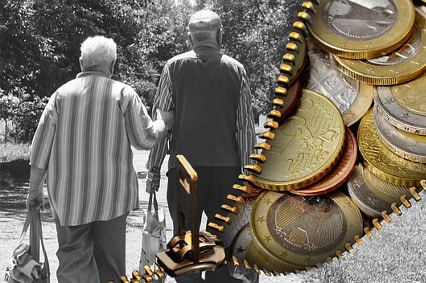 Pensions transfers for expats may become simpler if the Department for Work & Pensions follows through on plans to drop the requirement for consumers to receive accredited advice before making an expat pension transfer.