
However, British expats already living in the EU are unlikely to be affected as it is probable that the government will succeed in ensuring that reciprocal agreements protect their right to reside within the EU.
As it stands, non-EU nationals wishing to live in EU countries have to provide documentation in relation to their expat regular savings, income and pensions in order to receive EU residency visas, so it is possible that British nationals will have to do the same.
“It is likely there would be a system of long-term permits and residency. We want what is in the best interests of the British people but this will form part of the discussion,” a Home Office spokesperson told media.
However, there is still the possibility that Prime Minister Theresa May and her government might be able to achieve a more favourable deal with EU negotiators; in such a situation British nationals may be subject to exemptions on various EU residency visa rules.
The EU Commission, supported by France and Germany, has already indicated that it might introduce a visa waiver for British nationals, albeit for a fee of around £10.
This communication is for informational purposes only and is not intended to constitute, and should not be construed as, investment advice, investment recommendations or investment research. You should seek advice from a professional adviser before embarking on any financial planning activity. Whilst every effort has been made to ensure the information contained in this communication is correct, we are not responsible for any errors or omissions.
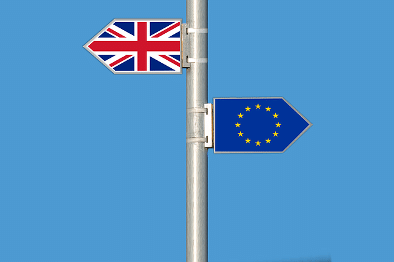 It may have been close run thing but the UK has voted to end its membership of the European Union and now is an appropriate time for all concerned to consider the implications.
 Over the years, the trend for South African nationals to seek out new lives and experiences in Portugal has continued to grow and grow; I myself made the move back in 1988 as a fresh-faced economics graduate from Witswatersrand University in Johannesburg, and I’ve never looked back. It’s easy to see the appeal for South Africans – the year-round sunshine and vast expanses of Atlantic coastline are a familiar part of daily life, just as they are back home – but the secure location and easy access to the rest of Europe is something really special. Being as there’s over 11,000 KM of distance between the two countries, a mere 12 hrs by plane give or take, there are going to be some big differences in the way of life, even if there are those obvious similarities. It’s probably advisable for any emigrant to arrive armed with a willingness to accept how things are done in their new home country rather than try to carry on as before and hope for the best. This is never more true than when dealing with your finances.