
Now there is possible relief in sight. The Financial Conduct Authority (FCA) is poised to clamp down on greedy managers by insisting they cannot charge more than one per cent of the value of the pot, but the change will not come into force until next March at the earliest.
So, anyone cashing in or transferring out of their pension today could still have their pocket picked. The move will make it easier for people to drop their pension if they are getting a poor deal or make full use of their new pension freedoms to cash in their pot without penalty.
Before you take any action on your pension you should seek advice from a financial adviser to see how you may be affected. This could help you avoid the pitfalls of being overcharged for moving your money to a better position. You will also receive advice on the most tax-efficient position you can achieve. A simple review will also allow you to compare the benefits you are likely to receive from your current plan and the other options that are available to you.
This communication is for informational purposes only and is not intended to constitute, and should not be construed as, investment advice, investment recommendations or investment research. You should seek advice from a professional adviser before embarking on any financial planning activity. Whilst every effort has been made to ensure the information contained in this communication is correct, we are not responsible for any errors or omissions.
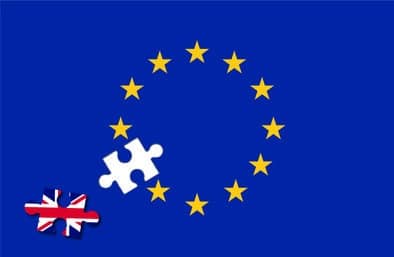 Much has happened since I last put pen to paper in the immediate aftermath of the referendum result and I thought it sensible to comment on some of the issues which are emerging from the ‘swirling fog’ that we experiencing. July 24th 2016, reminded me of September 12th 2001 in New York, with people walking around in shock, confused at the attack on the political and economic system. To be angry at the shock of the unexpected result and how that might affect everyone’s life is a natural and rational response, however much it might seem otherwise. Last week I wrote that the result was not a disaster and the financial system was capable of absorbing this shock, in short, my view has not changed.
 A big part of your financial planning is deciding what is going to happen to all your money and possessions once you pass away. For many, effective estate planning is a crucial process that should not be taken lightly – and for a good reason.